

| Last update: 2026/02/2 |
From the Central Teachers' College to Kharazmi University
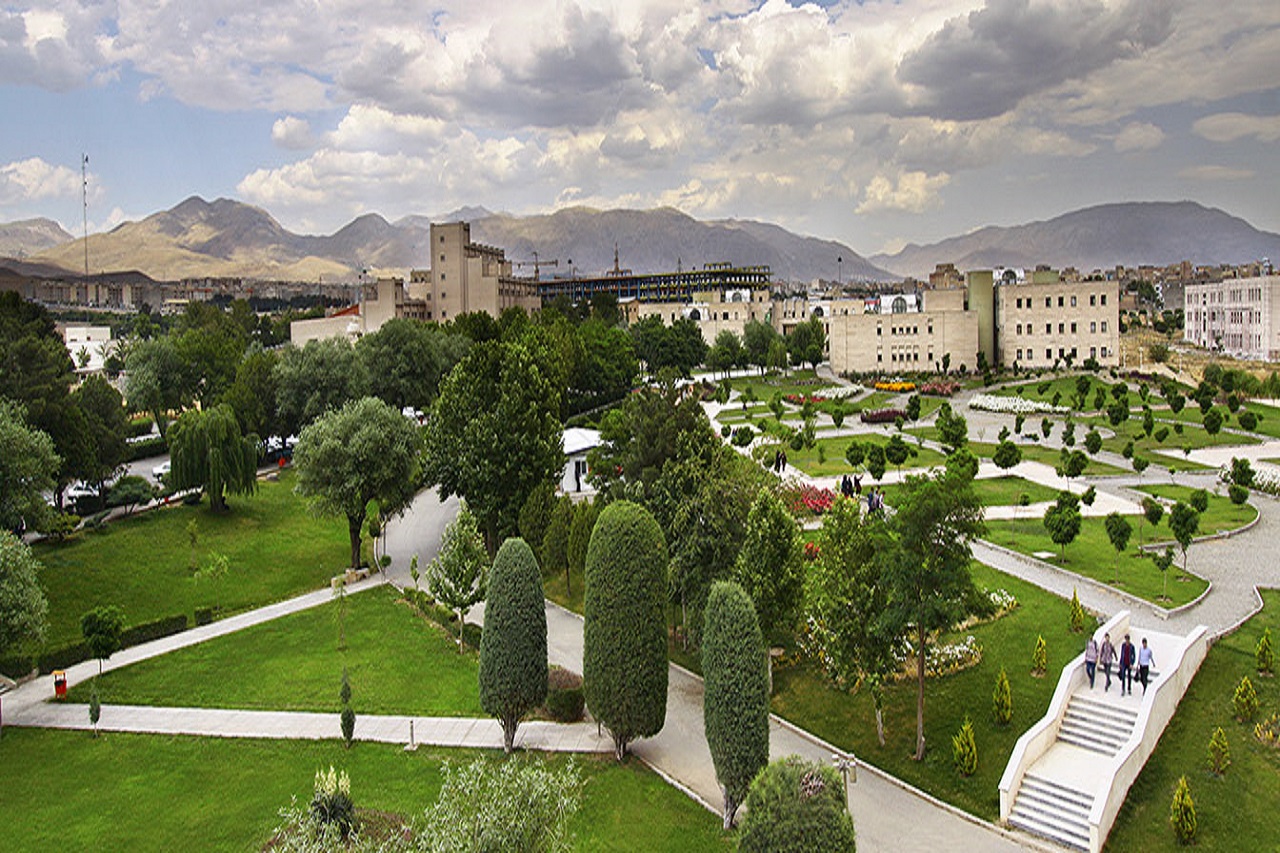

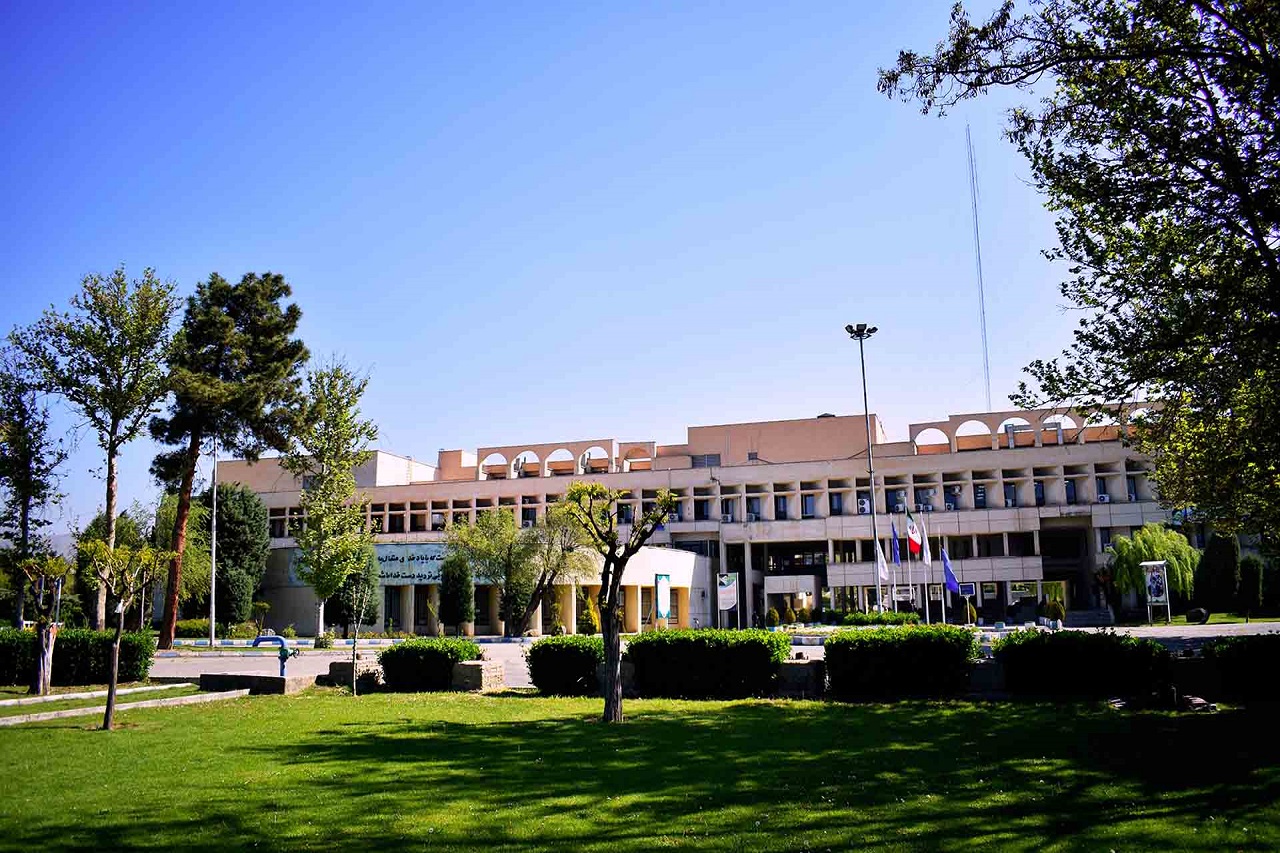

Establishment of the Central Teachers' College (1919)
A century ago in Iran, the 1919-1920 academic year was marked by an important event. This was the establishment of the Central Teachers' College. A college for teacher training in Iran, a college that, contrary to the Iranian society's habit of instability, remained standing and flourished. The most progressive memories of post-secondary education in Iran are cherished in the central campus of the Teachers' College. In its classes, the masters of professors of this land have taught. Great people sat behind its benches; they studied here and then became the first prominent generation of Iranian academics. In its laboratories, the first basic science research at the post-secondary and university levels began. The first pleasures of modern Iranian inquiry and knowledge, along with the noble tensions of philosophical skepticism and scientific doubt, were experienced in the atmosphere of the Teachers' College.
Higher Teachers' College and Higher Education College (1928)
The Central Teachers' College was promoted to the Higher Teachers' College in 1928 and to the Higher Education College in 1933; then, in 1934, during the foundation period of the University of Tehran (UT), it was also considered a part of UT’s two faculties. Its Department of Literature and Humanities became part of the Faculty of Literature, and its Department of Basic Sciences became part of the Faculty of Sciences of the University of Tehran.
Independence of the Higher Education College (1955)
In 1955, despite its connection with the University of Tehran, the Higher Education College, still under its former title, was primarily responsible for the training of teachers in its two primary departments, namely the "Department of Literature and Humanities" and the "Department of Basic Sciences." This distinction was the reason why the Higher Education College at the University of Tehran was not dissolved and maintained its own existential philosophy and identity until a law was passed in 1959, by which the two parliaments officially recognized its independence. In 1963, the Council of Ministers, in accordance with a single article, gave it a new title that arose from the centralism and bureaucratic attitude of the government in the Council of Ministers of that period: "Teacher Training and Educational Research Organization."
Teacher Training University (1974)
The Higher Education College maintained its original philosophy of teacher education and its academic identity during these ups and downs, and a few years later (1974) it became Teacher Training University and was among the several universities in the country at that time; such as the University of Tehran, National University, Ariyamehr Industrial University, Tabriz University, Isfahan University, Mashhad University, Pahlavi University of Shiraz, and Jundishapur University of Ahvaz. While the Teacher Training University was an academic institution, since the 1980s it had been a mission-oriented group of "teachers, administrators and educational guides" who joined hands in the task of training staff, leading this university to transcend its existential and historical philosophy.
Kharazmi University
In 2011, other educational and research missions beyond teacher training were assigned to this university, and it was renamed "Kharazmi University" in memory of one of the great scientists of the golden age of our civilization; but the original lineage of this long-standing scientific institution is still its primary philosophy that is respected and cherished: a college of higher education and teacher training, which is recorded in the historical memory of our Iranian culture.
Graduates and Alumni of the University
Among the graduates and alumni of the Central Teachers' College, we see many of Iran's scientific and academic greats who became theorists and founders of various fields of academic disciplines in the country, such as Mahmoud Behzad (the father of modern Iranian biology), Hamid Enayat, Mohammad Khansari, Fathollah Mojtabaei, Gholam Abbas Tavasoli, Mohammad Bagher Sarukhani, and others. Some of the graduates also became government managers, such as Farrokhrou Parsa (the first female minister), Mohammad Derakhshesh, Parviz Natel Khanlari, Gholamhossein Shokohi, and Mohammad Ali Rajai. Women entered the educational and scientific board and managed it. A women's center was established in the Teachers' College. Leading women actively taught, studied, and worked there, including Fatemeh Sayah, Amineh Pakravan, Hajar Tarbiat, Sedigheh Dolatabadi, Badrolmoluk Bamdad, Parvin Etesami, Mehrangiz Manouchehrian, Shamsolmoluk Mosaheb, and ....
Keywords: Kharazmi University history | History of teacher training in Iran | History of higher education in Iran | Central Teachers' College 1919 |
View: 2273 Time(s) |
Print: 274 Time(s) |
Email: 0 Time(s) |
0 Comment(s)